
Awaab’s Law and Keeping your Property Safe
Published on: November 12, 2025
If you’ve been following the news recently, you may have heard about the new ‘Awaab’s law’, which has been introduced to improve conditions within social housing.
As of late October, landlords will now have much stricter timeframes to address mould, damp, and similar issues that form in their properties.
Thankfully, we’re here to help. Our Air Box solutions will improve ventilation within your property, preventing these issues before they begin to form. This will save you money, enable you to stay compliant and, most importantly, keep your tenants safe.
What is Awaab’s Law?
Formally known as The Hazards in Social Housing (Prescribed Requirements) (England) Regulations 2025, Awaab’s Law is new legislation designed to force social landlords to address mould, damp, and other issues that can be caused by leaks, high humidity, or poor ventilation.
If one of these issues is reported, landlords must now inspect it within 10 days, then remove the hazard within 5 days post-inspection. If landlords fail to do this, they must provide alternative accommodation or could face legal action from the tenants affected.
The legislation was passed in June 2023, but only came into effect October 2025. The law is named after a case involving Awaab Ishak, a two-year-old boy, died after exposure to black mould within his home in 2020. Awaab suffered a respiratory condition due to this exposure, after the landlord neglected the issue.
It has been reported that over a million properties in the UK have issues with mould. Many of these properties are rented, and there have been many more cases of landlords ignoring mould-related issues, or not addressing them properly.
The Risks of Mould Growth
When a home is damp, it becomes a breeding ground for mould. There may have been a leak, or there is an ongoing one, where excess moisture gathers on walls, floors, ceilings, or furnishings.
Mould grows quickly in these conditions, spreading rapidly in all directions. Often once mould becomes visible on walls or ceilings, it has already spread far out of sight, under carpets and behind large objects like wardrobes, drawers, sofas, or beds.
This is why it is vital to address damp before mould begins to grow. Finding the origin can be much more difficult after days or weeks of mould growth.
Mould is dangerous, but especially so for vulnerable people and young children. If you or a member of your family has respiratory issues, mould can make them much worse very quickly, leading to hospitalisation or even death. Many people are living with undiagnosed respiratory issues, meaning they could be at more risk without their knowledge.
How to Prevent Mould Growth
The primary goal of Awaab’s Law is to encourage landlords to deal with damp and leaks before mould begins to grow, as waiting until the mould spreads is a more difficult and costly fix in the now limited timeframe.
Keeping gutters and roofing in good condition is an ideal way to prevent leaks, but this isn’t the only thing that will cause mould to grow. Sometimes landlords or tenants are left baffled as mould grows despite there being no leak to speak of. Often the real issue is right in front of you, although it is invisible.
Poor ventilation within a building creates conditions for mould to grow. Since the air is unable to circulate, it becomes thick with moisture, and this moisture is deposited onto surfaces as the room cools overnight.
Even before mould grows, poor ventilation can affect people with respiratory issues, as the stale air harms their lungs.
To prevent this, you need to ensure that your property is well-ventilated.
How to Improve Ventilation
Air is only able to circulate when there is a supply of new, fresh air entering the room. The easiest way to do this is by opening a window, but overnight, in bad weather, or over the winter, this isn’t the ideal solution.
Trickle vents do help with this, but can be draughty or easily blocked by blinds and curtains. Our Air Box solutions may look just like standard trickle vents but are actually much smarter.
Their design channels fresh air upwards, instead of forwards into the room. This allows for better dispersion but without a noticeable draught. With this more efficient design, an Air Box is a better ventilation solution for commercial buildings, which often have issues with clean air.
If you’re a landlord concerned about ventilation within one or more properties, our Air Box solutions are a great accompaniment to existing trickle vents, or as an addition to UPVC windows that don’t have them built in.
Installation of each Air Box is incredibly simple. There’s no drilling required, so no damage to your windows, and it can be completed in around 10 minutes if you follow our installation guide.
With better ventilation, you’ll not only improve the overall air quality for your tenants, but help to prevent issues like damp and mould so you can stay compliant with this new legislation.
Awaab’s Law FAQs
Popular products
-
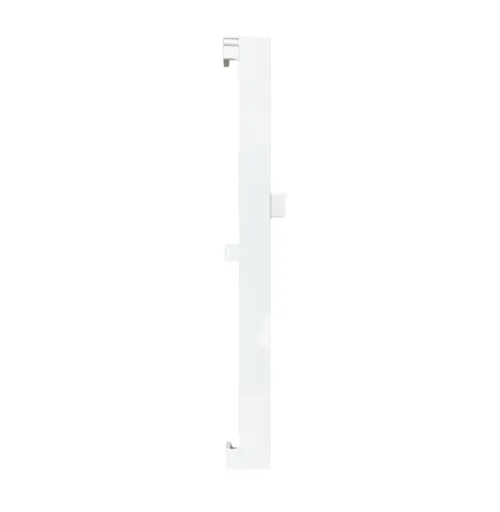 Air-Box® Trickle Vent - White
£12.49 + VAT
Air-Box® Trickle Vent - White
£12.49 + VAT -
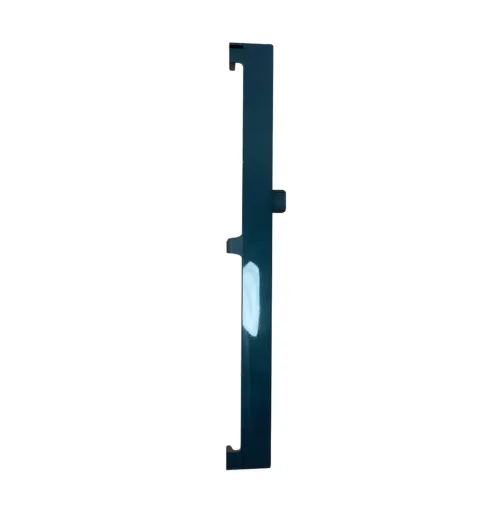 Air-Box® Trickle Vent - Anthracite
£12.49 + VAT
Air-Box® Trickle Vent - Anthracite
£12.49 + VAT -
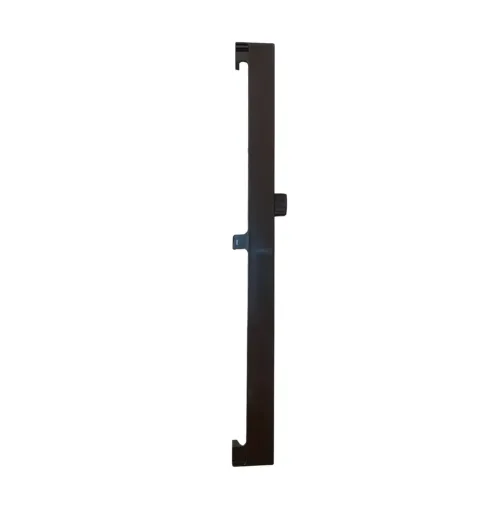 Air-Box® Trickle Vent - Brown
£12.49 + VAT
Air-Box® Trickle Vent - Brown
£12.49 + VAT