
When to Use your Trickle Vents
Published on: December 1, 2025
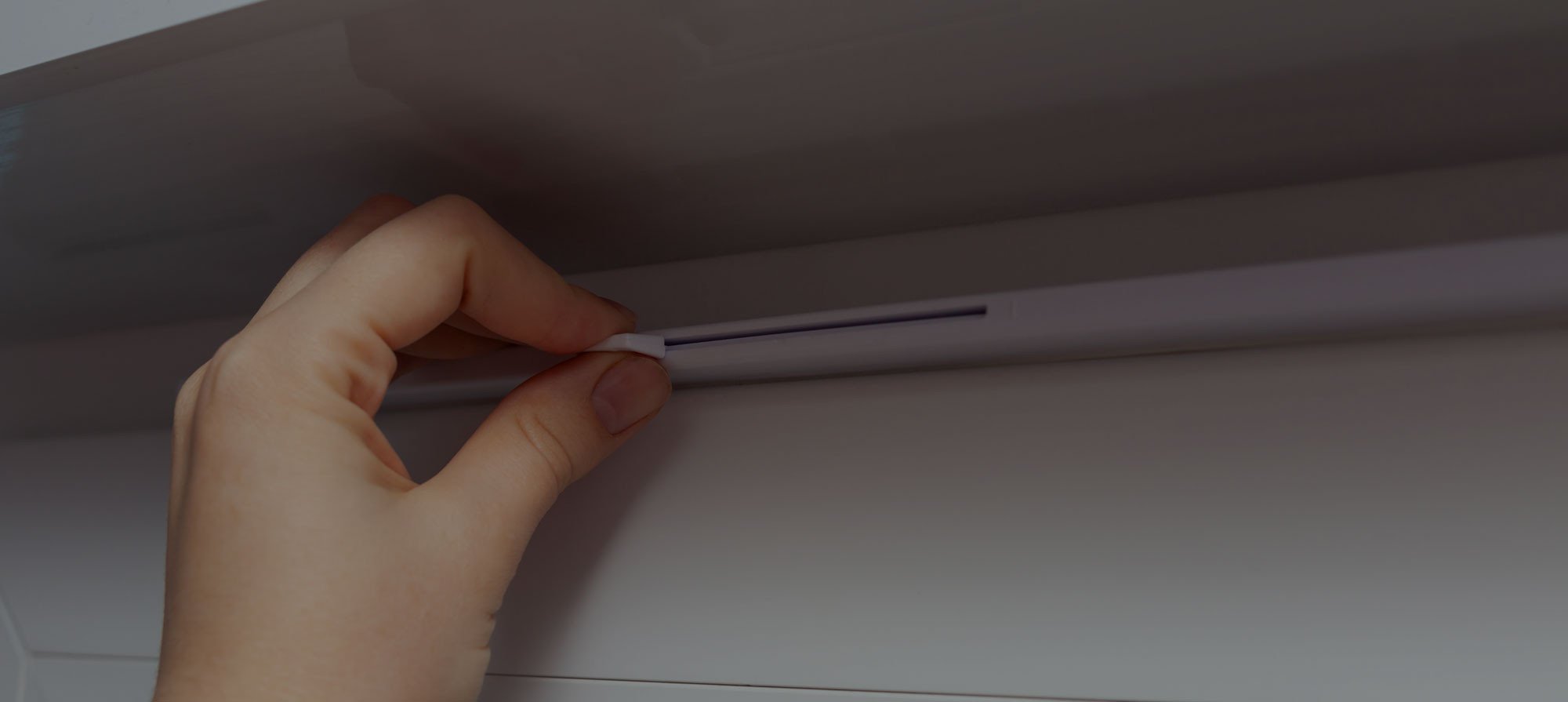
Trickle vents are a common sight nowadays, being built in to most new UPVC windows, and often added to older wooden or metal windows during construction or renovation.
They enable fresh, clean air to mix with the staler air inside the room, making it feel fresh and help to reduce the risk of mould and other ventilation related issues.
But when should you use your trickle vents? Sometimes the answer to this is obvious, but you might not be getting the most out of yours, potentially wasting money or making the air quality worse than it should be.
Don’t worry, we’re here to help. Let us explain how best to use trickle vents, and why you should install Air Boxes to help maximise their effectiveness.
What are Trickle Vents for?
Trickle vents are designed to let a small ‘trickle’ of air enter a room. As we mentioned, this keeps the air smelling fresh, as the new air dilutes the stale air, and gives the latter somewhere to go.
The air enters through small holes in the back of the trickle vent, and is then usually directed downwards so that it can flow into the room, but there’s less of a draught. They can be opened or closed easily, so that you have more control over the ventilation in the room.
But why would you do this instead of opening a window?
When to Keep your Windows Closed
Naturally, if you want to maximise the amount of fresh air that comes into the room, the easiest solution is to open the window. But this isn’t always a good idea, and may not be effective.
For example, your home or property may not have windows that open very far, such as in some offices, schools, hotels, or anywhere else where safety is a concern. This means that the air flow can still be poor even with the window open, so you’re making the room cold or draughty without much benefit.
In built up areas, the air quality outside the building may not be very pleasant, especially during rush hour or if there is a smoking area nearby. Poor air quality can cause a number of health problems, and make preexisting conditions worse, so opening a window can be a risky move even if the air inside isn’t much better.
Trickle vents solve this. They allow fresh air in, but it won’t carry as many foul odours or other toxins. Respiration issues can also be made worse by mould or high humidity, so ventilation is still important (see our blog about Awaab’s Law to hear more about this). By using your trickle vents, people inside the room will be breathing the freshest air possible.
In commercial buildings, ventilation related issues will occur overnight. This is because as the temperatures cool, the moisture in the air will be deposited and mould can grow. You might not notice these issues as a result, as the dampness will be dryer by the morning, until mould is starting to take over.
This is only exemplified as commercial buildings will have their windows and doors closed for days at a time too. If no one is using the building during the weekend, there will be no fresh air coming in, and no stale air leaving. By opening your trickle vents, you can keep some airflow without creating a security risk. It also allows the chemical smells to disperse if cleaning occurs out of hours.
The buildings where this is most important are schools. Since these buildings are closed for weeks or even months during holidays, the air can become very stale. To keep students and staff safe and healthy, it’s vital that you ensure proper ventilation.
Using your Trickle Vents in Winter
The main reason you’d keep your windows closed is because it’s cold outside. Opening a window lets all the heat out, and lets a lot of cold air in. But keeping them shut 24/7 is only asking for trouble – the humid, stale air will deposit moisture onto your surfaces.
The solution, once again, is trickle vents. They allow cool air in, but not so much that your heating bills will increase.
However, as effective as they are, in larger rooms the directional airflow from these trickle vents may not be providing the ventilation you need. As most trickle vents aim the air downwards, it doesn’t travel as far into the room as you might need it to. This also makes draughts more likely.
Thankfully, we have a solution.
Getting the Most out of your Trickle Vents
Our Air Box solutions are trickle vents, but smarter. Unlike the ones you’ll find pre-installed, these are small, compact designs that are less obstructive. But despite their small size, they can improve air quality drastically.
This is because of their unique directional airflow. Instead of aiming the new air downwards, it’s instead aimed up towards the ceiling. This ensures that the air can flow further into the room, but you won’t feel a draught.
Trickle vents are effective at improving ventilation, but in commercial buildings there’s only so much they can do. By also installing an Air Box, you double the ventilation with 0 drawbacks, helping to prevent issues and make the air quality better.
Installation is quick and easy, no need for professional help. The Air Box can be attached to any windows, with no drilling necessary, so your windows aren’t damaged for the sake of better ventilation.
To find out more about what our Air Box trickle vents can help you with, please don’t hesitate to get in touch. We look forward to hearing from you.
Popular products
-
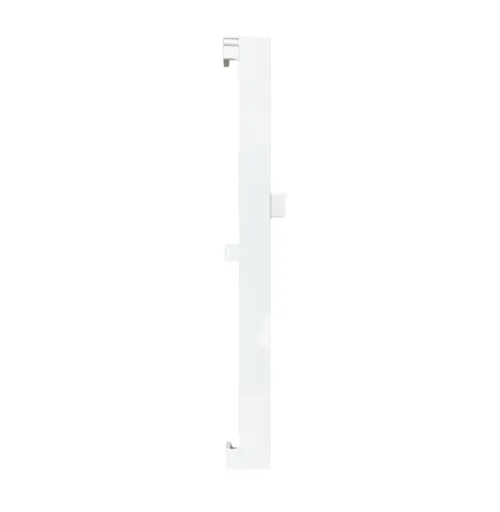 Air-Box® Trickle Vent - White
£12.49 + VAT
Air-Box® Trickle Vent - White
£12.49 + VAT -
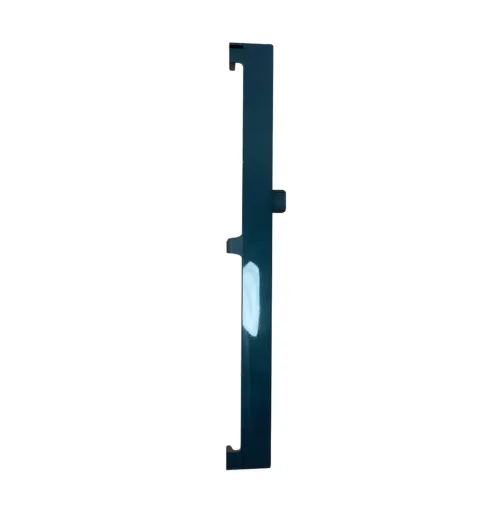 Air-Box® Trickle Vent - Anthracite
£12.49 + VAT
Air-Box® Trickle Vent - Anthracite
£12.49 + VAT -
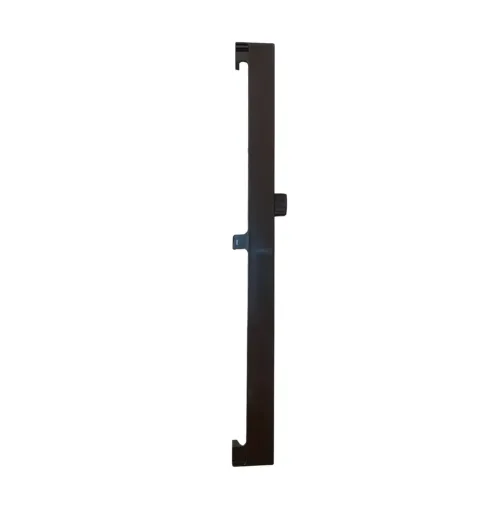 Air-Box® Trickle Vent - Brown
£12.49 + VAT
Air-Box® Trickle Vent - Brown
£12.49 + VAT