
How Blinds and Curtains Affect Ventilation
Published on: December 11, 2025
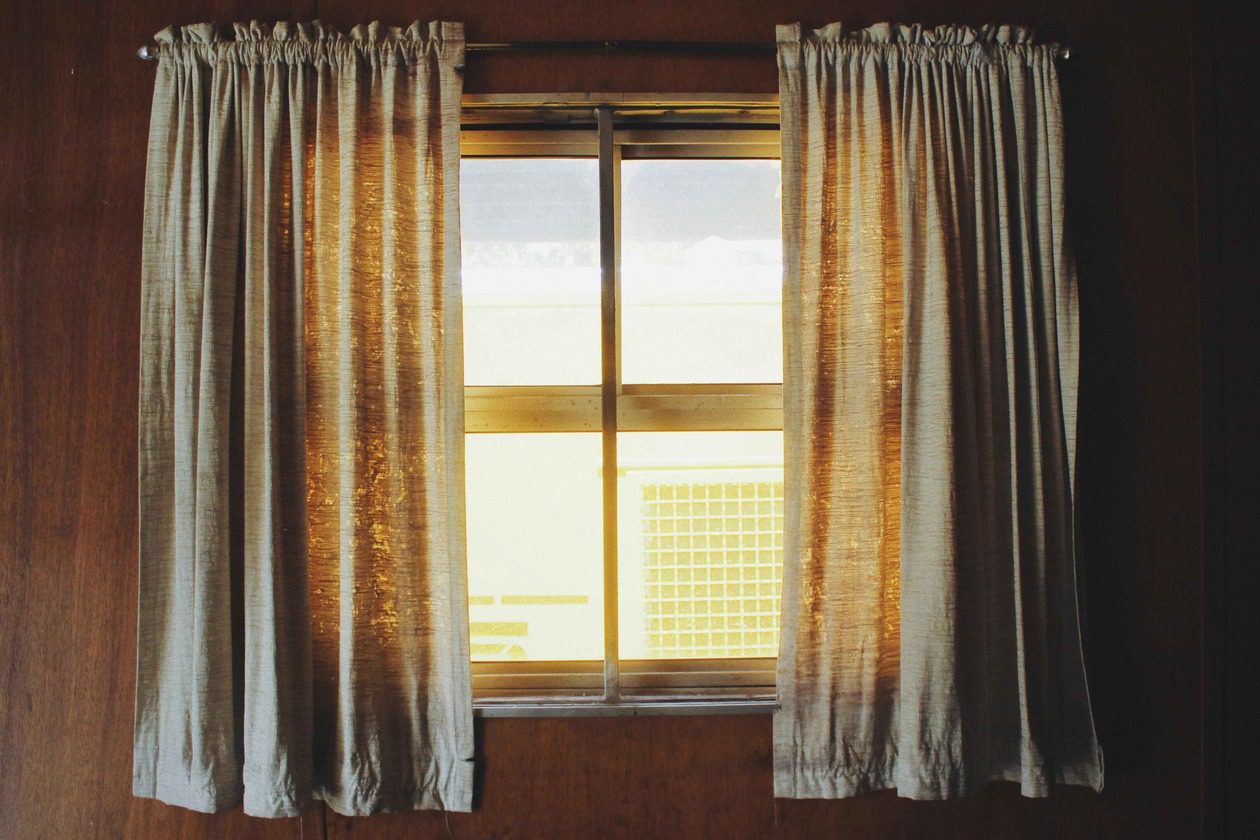
If you like to sleep at night, and enjoy some peace and quiet from time to time, you’ll likely have blinds or curtains on or around your windows.
Blinds especially have a number of uses, including keeping your home warm and safe during winter especially. But despite the benefits, your window blinds and curtains may be affecting the ventilation of your home, potentially causing serious issues that are expensive to fix at best, and potentially life-threatening at worst.
Allow us to explain.
The Purpose of Blinds in Domestic Properties
As we said, the primary purposes of window blinds are for privacy and comfort. With the blinds down, the rooms will stay dark, and no one can see in from outside. In our homes, we normally use thicker blinds in our bedrooms, and lighter ones downstairs where blocking out light isn’t a priority.
If you’ve ever stayed in a property without blinds or curtains, either a new build or one you’re doing up, you’ll know how cold it can be without blinds. The cold air hits the outside of the window, and that coldness is transferred into the room. In the depths of winter not even double glazing prevents this entirely, and unlike a draught it’s harder to avoid.
Blinds act like a barrier between the window and the room, trapping the heat there so it can’t travel any further. Naturally this works best when the blinds are down, and most modern windows are effective for insulation if they are installed well.
Older windows aren’t fitted as tightly into the wall as modern UPVC windows. This means that air can enter the room around the frame, creating draughts. Although great for natural ventilation, this doesn’t help with heating bills, which is why curtains are installed in a way that blocks the edges of the frames even when they aren’t pulled across.
But it isn’t just the cold that our blinds and curtains protect us from, they also do the exact opposite. As any house cat will tell you, direct sunlight coming through a window creates very warm spots. This causes the room to heat up too, which is not ideal in summer when opening a window doesn’t do much.
Blinds and curtains can block the direct sunlight, but also make a room stuffier. If the latter is the case, they may be ruining the ventilation in your home.
How Blinds and Curtains Restrict Air Flow
It isn’t just heat and cold that your window blinds can block. If you open a window, but then close the blinds, the air that can enter the room is restricted. Of course it isn’t airtight, but you won’t get the constant stream you expect; the one that is so important to keep the room fresh.
When fresh air enters a room, it mixes with the stale air that was already inside. If that air is stale or humid, this makes it fresher or dryer. This isn’t just a benefit to our nostrils, if ventilation is poor can lead to multiple issues, including:
- Damp Patches
- Mould
- High Concentration of Dust or other Allergens
- Fumes from Cooking, Cleaning, or from Candles etc.
All of these can be detrimental to our health, with the most severe cases being black mould. A new law, known as Awaab’s Law, was recently introduced to force landlords to address mould issues quickly, as they can cause hospitalisation or even death for people with respiratory issues.
Many people spend a long time trying to find a source of these problems, trying to find leaks or weak points in their roofing or around the walls. This is because not everyone understands the importance of effective ventilation, especially when it comes to your trickle vents.
How to Ensure your Trickle Vents are Working Properly
Reading that, you may think ‘it’s obvious!’ Well if you hold your hand up to open trickle vents and feel no air coming through, there is obviously a problem with them. However, you might feel the cool trickle of air, but for a number of reasons they aren’t working as well as they should.
Trickle vents are a great way to improve the ventilation within rooms when the window is closed. This time of year we don’t like to keep our windows open and let a lot of cold air in, so instead you should use your trickle vents to let in just enough to keep the air moving.
The issues come when the trickle vents, which are at the top of your window frame, are blocked by blinds. The air becomes trapped behind them, and takes longer to make it into the room.
Venetian blinds have spaces between them that can be opened during the day so that light and air can make it through, but they can still block some of the air.
So what’s the solution?
Trickle Vents that Aren’t Blocked by Blinds or Curtains
We designed our Air Boxes to supplement your trickle vents. As the latter are built into most windows, we don’t seek to replace them. Instead an Air Box will work alongside, doubling the ventilation without causing draughts.
This is all due to the Air Box’s ergonomic design. Unlike traditional trickle vents, the directional airflow is aimed upwards. The air therefore flows towards the ceiling, travelling further into the room but with no noticeable draught at head-height.
They may look small and unassuming, but that was intentional on our part. Unlike trickle vents, which are quite bulky, our slim devices don’t look out of place when installed, and won’t catch on your blinds and curtains at any point.
Installation is quick and easy, with no drilling or damage required. You can do it yourself in just a few minutes and will see an instant improvement in ventilation throughout your home.
If you have any questions about us or our Air Boxes, please don’t hesitate to contact us. We look forward to hearing from you.
Popular products
-
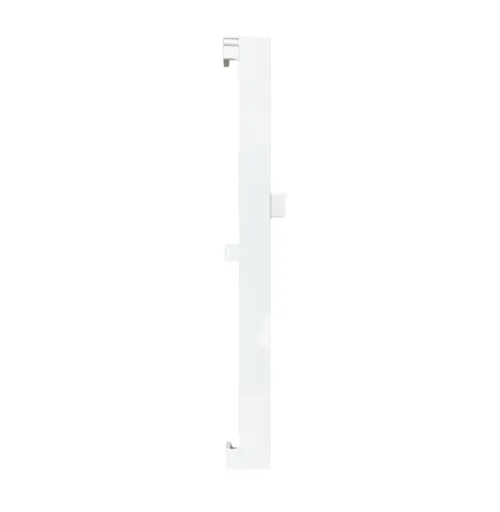 Air-Box® Trickle Vent - White
£12.49 + VAT
Air-Box® Trickle Vent - White
£12.49 + VAT -
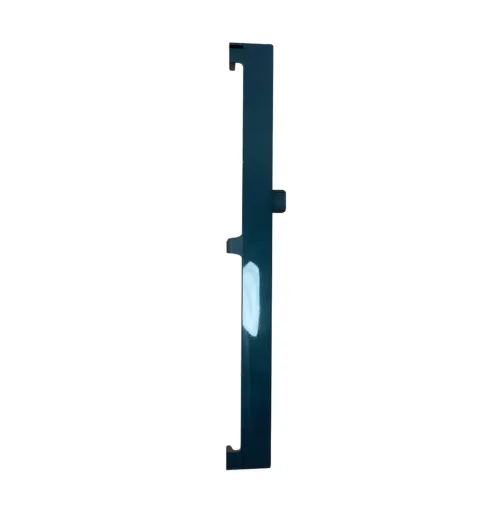 Air-Box® Trickle Vent - Anthracite
£12.49 + VAT
Air-Box® Trickle Vent - Anthracite
£12.49 + VAT -
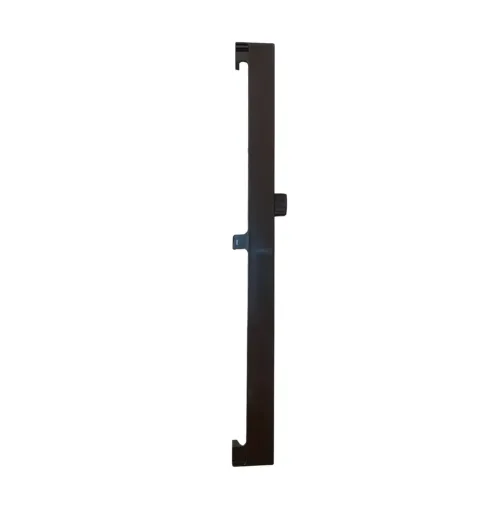 Air-Box® Trickle Vent - Brown
£12.49 + VAT
Air-Box® Trickle Vent - Brown
£12.49 + VAT