
Improving Ventilation in Office Buildings
Published on: January 19, 2026
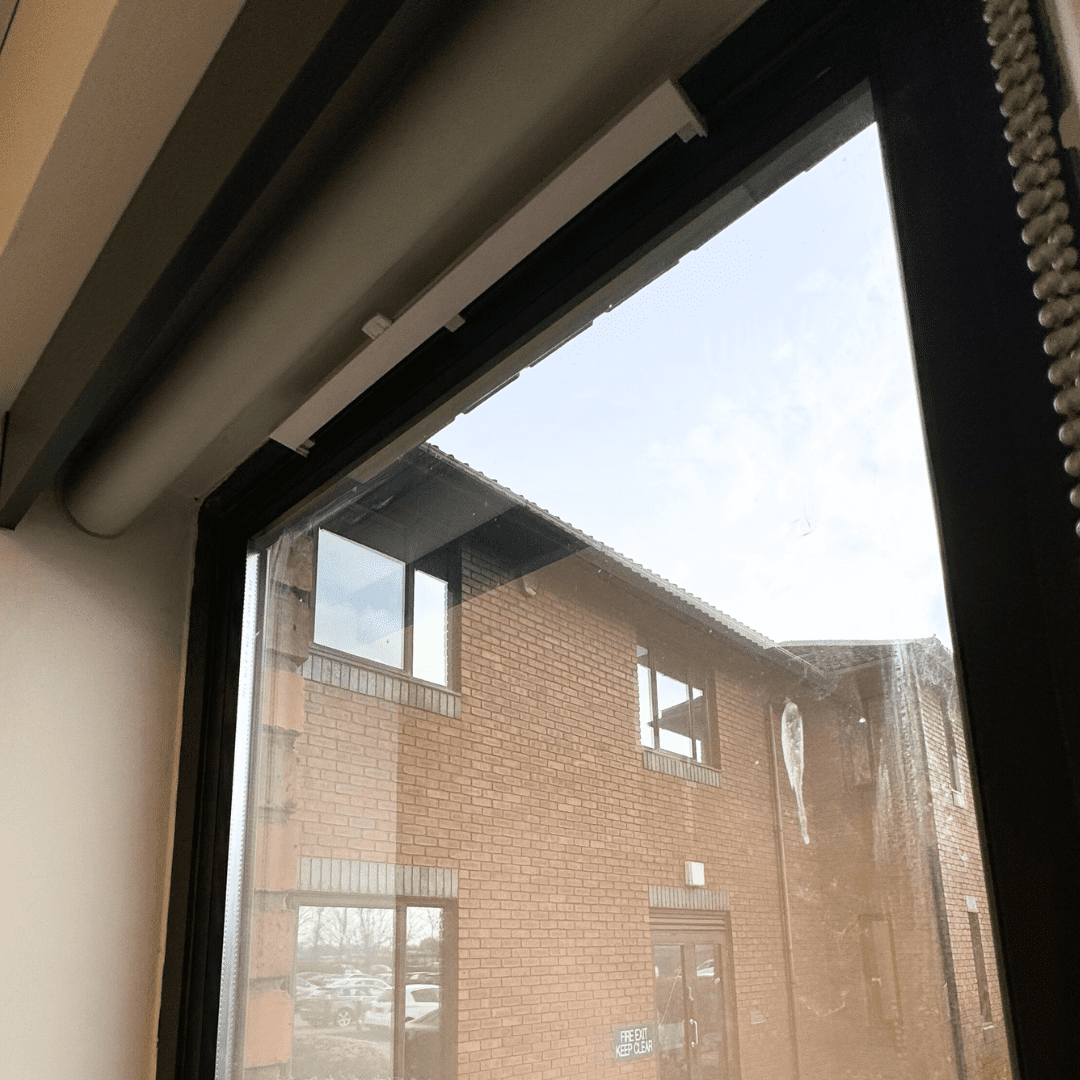
Working in an office has a number of benefits. Better resources than you have at home, a more dedicated workspace that helps you focus, and you’re surrounded by people who will help you stay motivated, but also open up more opportunities to build better relationships.
If you own an office building, you know these benefits better than anyone. But to ensure the maximum effectiveness, you need to make sure that ventilation-related issues aren’t ruining the workday of your employees, or whoever you rent office space to.
But before you can start addressing problems, you need to understand how ventilation works in offices.
Ventilation in Commercial Buildings and Office Spaces
In a large room, air flow is very important. If the air isn’t moving, and no fresh air is being added to the mix, the room’s atmosphere becomes more unpleasant. The air will smell stale, and stuffy if it is also humid.
Humid air carries a lot of excess moisture. If the air doesn’t move, this moisture is deposited on surfaces, making them damp. Simply turning on air conditioning may make it feel better to us, but since there is no new, fresh air being introduced, the humidity remains and will be deposited as soon as the air con is switched off again.
The only way to introduce new air is using your windows. But in an office, this isn’t easy. In most modern office buildings an open window only creates a small gap for safety reasons. This will freshen up the room, but depending on the layout may not do enough.
In a large, open space, the air needs to travel as far into the room as possible. If there are only windows along one wall, the opposite walls will still be surrounded by stale air. Any office worker will tell you that a window seat is the best place to be, and it isn’t just because of the views.
The Importance of Ventilation in Offices
When you spend upwards of 7/8 hours a day in an office, poor ventilation can have negative effects on your health, both physical and mental. If you’re stuck in a room that’s stuffy, this can cause headaches, nausea, or just make you feel sluggish. When you have a lot of work to do, this is the last thing you need, and an office manager should understand this and change things to improve ventilation for their team.
For some people, the consequences of stale air can be much worse. The most common allergens are airborne, including:
- Pet Hair
- Dust Particles
- Pollen
To most, these are a mild inconvenience, but for people with allergies they can be dangerous. As thorough as your cleaning team may be, a busy office is still full of dust and other particles carried in from outside. If they’re able to linger in the area, they will be putting people at risk unless the ventilation is improved.
As we mentioned earlier, humid air will deposit moisture onto any cold surfaces it touches. If these surfaces are desks, or are in storage cupboards, documents and files could be ruined over time. In very humid offices, it can even cause electrical faults that can stop work in its tracks.
Damp surfaces are also a breeding ground for mould. Ceilings, walls, and carpeted floors can quickly grow mould. If this isn’t addressed immediately, it will lead to serious health and safety concerns, which could cause your building to be uninhabitable until you address it.
To keep people safe and your reputation intact, you need to identify humidity-related issues and sort them out as soon as possible.
How to Improve Ventilation in Offices
In many offices, opening windows is enough to keep the air circulating well enough to prevent issues. However, this won’t always be an option. Most ventilation related problems occur overnight, when windows are shut tight, or when the building is unoccupied during periods like Christmas or over the weekend.
If this is the case, opening trickle vents ensures that there is at least some air entering the room, without creating a security risk. But this ‘trickle’ of air is nowhere near as effective as opening windows and will only delay the inevitable.
That’s where we come in. Our Air Box window ventilation system is the perfect way to improve air quality, with none of the drawbacks.
How an Air Box Works
Although they look similar to the built-in trickle vents you’ll find on UPVC windows, our Air Box solution works in a unique way. It is screwed onto the window frame, no drilling necessary, and is barely noticeable while it’s doing its thing. The ‘thing’ in question is doubling the air flow coming through, making the room as well-ventilated as one with open windows, but without ruining the interior temperature.
One of the biggest complaints people have with trickle vents is the draught. Because of their focused directional airflow, the channel of air is more noticeable, especially on a cold day. That’s why we designed our Air Box to aim its airflow up towards the ceiling.
This has two benefits. The first is that it isn’t aiming cold air directly at people, preventing draughts. The second is that air that hits the ceiling travels further into the room, making it more effective than standard trickle vents. In an open office, this makes a large difference when it comes to preventing the issues we’ve discussed.
Because they’re so easy to install, our Air Boxes are the quickest way to improve ventilation in an office. Even if you have dozens of windows, installation of each Air Box can be done in less than 10 minutes once you’ve memorised our video guide, meaning you can cover a lot of windows in a free afternoon or over the weekend.
The Best Ventilation Solution for Offices
If you own an office building and are concerned about the air quality, our Air Box solution gives you peace of mind. Once they’re installed and working well, the busy workers inside your offices will be operating at maximum efficiency, and you won’t hear any complaints about stale air or allergic reactions.
To find out more about our Air Box ventilation system, please don’t hesitate to get in touch, or read our other blogs for more insights into the world of directional airflow and effective ventilation.
Popular products
-
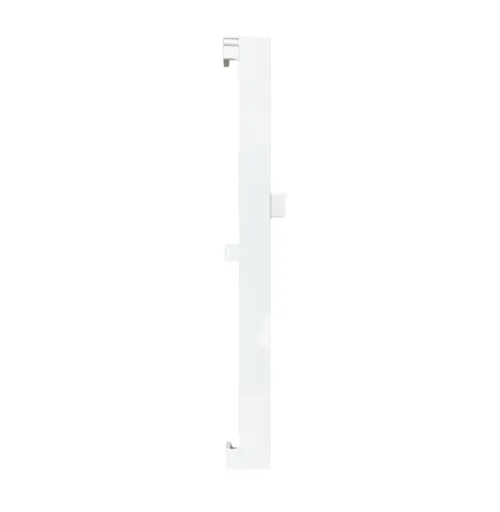 Air-Box® Trickle Vent - White
£12.49 + VAT
Air-Box® Trickle Vent - White
£12.49 + VAT -
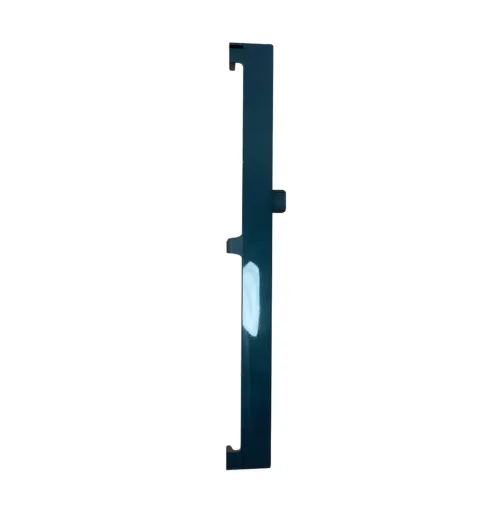 Air-Box® Trickle Vent - Anthracite
£12.49 + VAT
Air-Box® Trickle Vent - Anthracite
£12.49 + VAT -
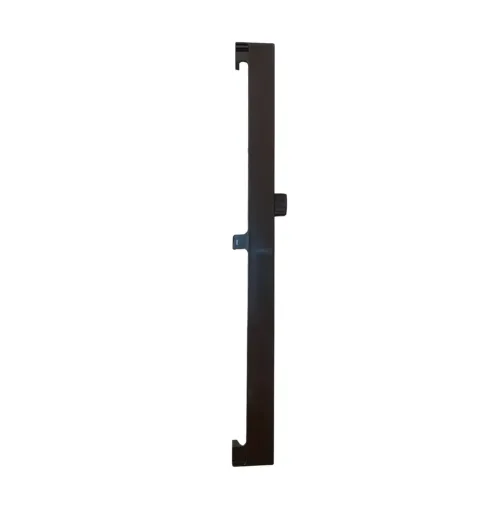 Air-Box® Trickle Vent - Brown
£12.49 + VAT
Air-Box® Trickle Vent - Brown
£12.49 + VAT