
Improving Ventilation in the New Year
Published on: January 19, 2026
Happy New Year! We hope you enjoyed all the festivities, and your 2026 is off to a good start. As we all drag ourselves back into work and get back into the swing of things, the last thing on most people’s minds is ventilation and directional airflow.
Not the case here. At Air Box that’s all we think about, using that focus to innovate our designs and keep you informed about how you should handle poor ventilation in your home or business.
So while you settle back into normality, let us explain what you should look out for.
How Poor Ventilation Affects Your Home
Remember the last time you walked into a room and it felt ‘stuffy’. Normally this means it is warm, but the air inside is also stale, and might carry a bad smell or two. The solution to reducing stuffiness is to open a window. When fresh air can enter the space and dilute the stale air, it feels much fresher inside. The ‘bad’ air also has somewhere else to go, so unpleasant odours in the air fade away.
In winter, we don’t open our windows as often as we should, preferring to keep the warmth in as much as possible. That’s why we see more ventilation-related issues this time of year. These issues include:
- Mould – Humid air creates damp patches on surfaces, which are the perfect conditions for mould to grow.
- Allergic Reactions – Pet hair, dust, and other allergens are deposited in higher quantities, which can cause people with allergies to have reactions.
- Bad Odours – Like we mentioned, air that isn’t able to move or become diluted holds bad smells.
- Respiration Issues – No one likes to sit in a room with poor ventilation, and for some people the thick, humid air can cause respiration issues.
These issues can be avoided by opening windows every day to let new air in. But if you go away for a week or two, the air will be very stale upon your return unless you take measures to prevent it. And in commercial buildings, these issues can be even worse.
Poor Ventilation in Commercial Buildings
Buildings such as offices, schools, and other commercial properties are often closed for long periods of time. This is often for half-term or summer holidays in the case of schools and universities, and the Christmas holidays for many offices. Other commercial buildings such as hospitals and hotels often remain open year-round, so don’t face the same ventilation issues.
Apart from some maintenance and cleaning crews, an office can be empty of people for weeks at a time. So why is this a problem? Well, just like with our homes, the air inside a sealed room will quickly become stale, creating the issues we discussed, but on a larger scale as the rooms are poorly ventilated for longer periods.
If you own a commercial building, it’s vital that you keep it well-ventilated during these times, or you could return to find mould running rampant. It’s also your responsibility to keep the people in your building safe and healthy, but ventilation issues are often overlooked.
Leaving windows open while your building is unoccupied is a security risk, and arranging someone to open and close them each day is a hassle, so what’s the best course of action? Well, if you’re looking at your windows, the answer is right in front of you.
How Trickle Vents Improve Room Ventilation
Trickle vents are the unsung heroes of interior ventilation. With these installed, you can improve the air quality within a room without opening a window. They allow a small but significant ‘trickle’ of air in that dilutes stale air and helps to prevent most issues.
In a commercial building, leaving your trickle vents open is essential. In large rooms, draughts will be minimal unless you’re close to the window, and it’s better than the alternative. When the building shuts its doors for a while, you can leave trickle vents open without worrying about security, so the air will be able to circulate even when no one is around. It seems like a small thing, but it makes a big difference.
However, that difference might not be big enough. In our homes, the smaller size of rooms makes trickle vents more effective. But in a large open office, the air that comes through rarely reaches all the way across to the far walls, and in store cupboards and kitchenettes there may be no windows installed.
That’s where we come in.
Why you need an Air Box Ventilation System
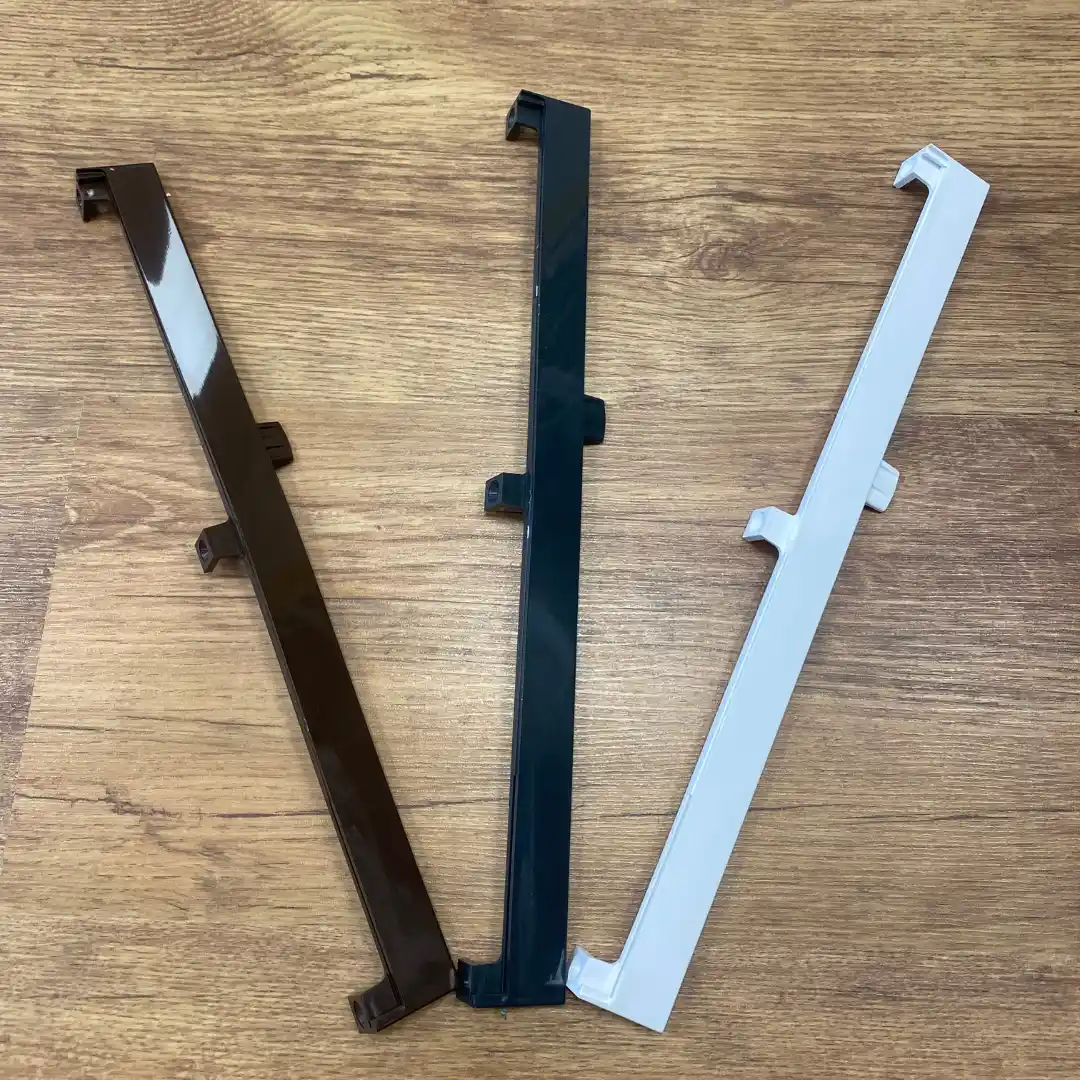
An Air Box looks like a slimmer version of the trickle vents fitted as standard to UPVC windows. Essentially, that’s exactly what it is, but with a more ergonomic design that directs air upwards instead of forwards or down.
This is for a good reason. Trickle vents do cause draughts, but when the directional airflow is towards the ceiling, you won’t feel them, and the air can travel further into the room without ruining the temperature.
An Air Box will work alongside your trickle vents, doubling the ventilation with 0 drawbacks. In a commercial building such as a school, this is a brilliant addition that will keep the air nice and fresh for when students and teachers return from their break.
Installation of an Air Box is nice and easy too. It just screws on to the top of your windows, no drilling necessary, only basic tools. In a large commercial building, you’ll have a lot of windows to cover, so we’ve kept things simple so you can cover as many as you need to in a free afternoon or two.
It isn’t just commercial buildings that can benefit from an Air Box either. If you’re concerned about the air quality in your home, or want to do a little extra to improve ventilation, look no further.
If you have any questions about us or our range of no drill trickle vents, please don’t hesitate to get in touch. We look forward to hearing from you.
Popular products
-
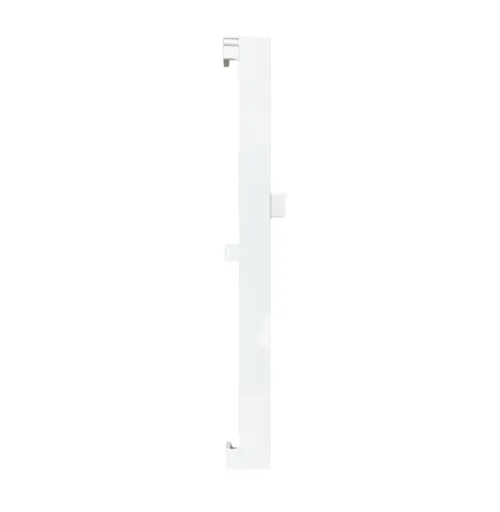 Air-Box® Trickle Vent - White
£12.49 + VAT
Air-Box® Trickle Vent - White
£12.49 + VAT -
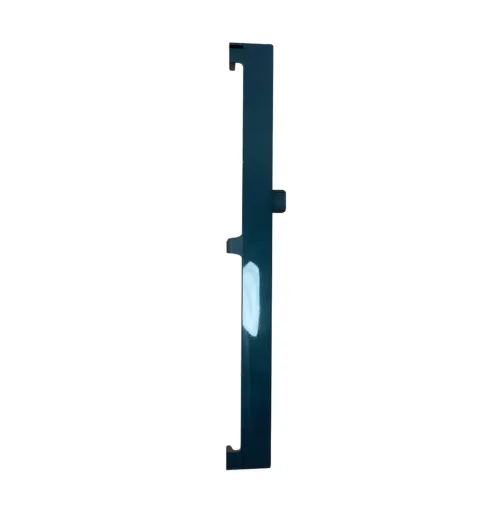 Air-Box® Trickle Vent - Anthracite
£12.49 + VAT
Air-Box® Trickle Vent - Anthracite
£12.49 + VAT -
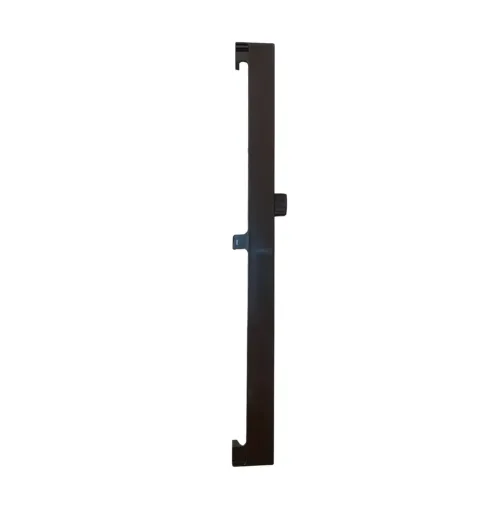 Air-Box® Trickle Vent - Brown
£12.49 + VAT
Air-Box® Trickle Vent - Brown
£12.49 + VAT