
Improving Ventilation without Sacrificing Heat
Published on: April 14, 2026
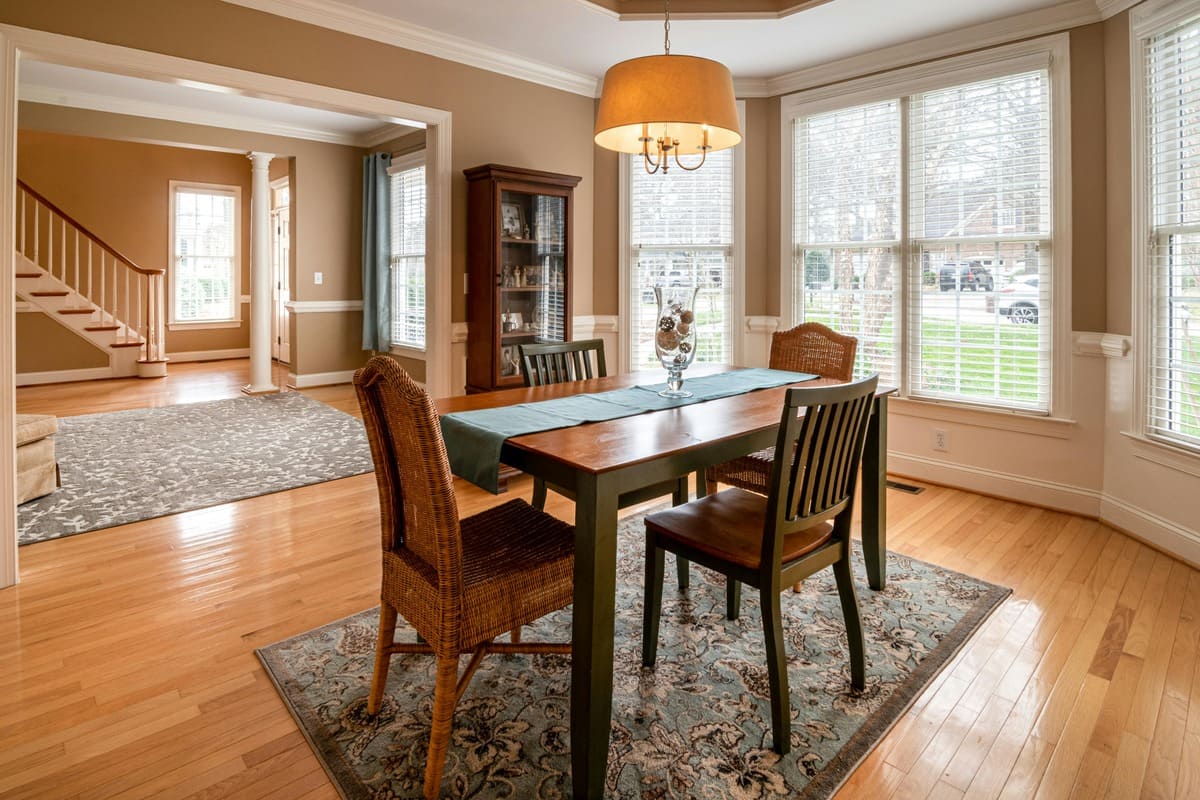
It doesn’t take an engineer to know that the more you improve ventilation, the more air is coming in to the space. In many ways this is beneficial, you make the room feel cool, the air inside is much fresher, and it helps to prevent issues like damp and mould.
However, when the weather gets chilly, or if you’re being battered with heavy rain and snow every day, improving ventilation can ruin the interior temperature of your home or commercial buildings.
So today we’re going to help you find a balance between effective ventilation and heat loss.
How to Improve Ventilation
To improve the air quality within a room, you need to allow fresh air in. If you keep the room sealed, the air becomes stale, and thick with moisture if it is warm inside.
By opening a window, plenty of new, clean air can enter and dilute the stagnant air. This makes it smell fresher, and gives the bad air somewhere to go, so it will freshen up the longer you leave the window open.
However, when the weather is cold, you would rather leave the windows closed, or only open them for short periods to keep the heat in.
That’s when trickle vents shine. They allow a smaller amount of air to enter, just enough to freshen up the room, but without creating a large gap that lets too much heat out.
Or at least that’s how it should work. But before we get into that, let’s first talk about why you need to improve the airflow within your home or building.
Why Ventilation is So Important
When the air is stale, the room feels stuffy. Bad smells won’t dissipate, and the air will be full of allergens as they have nowhere else to go.
There are also long-term issues that you need to avoid. If the air is humid, it is full of moisture. As the room cools overnight, this moisture will be deposited onto your surfaces. If your walls, floors, carpets, and furnishings are continuously damp, this creates the perfect conditions for mould to grow.
Black mould is a serious issue, one that should never be ignored. If you find a small patch, it’s likely that there is much more out of sight. It can grow behind furniture or in storage rooms where ventilation is poor. For a commercial building, mould can lead to forced shutdowns while the issue is resolved, which is a costly business, so preventing it in the first place is the best way to keep people safe and your building open.
Leaving trickle vents open does a lot to prevent these issues, but they do have their issues if you goal is to keep the heat in.
The Disadvantages of Trickle Vents
Trickle vents are a great way to continuously ventilate a room, but those gaps in your window frames can also let heat out. Almost all modern UPVC windows have built-in trickle vents that you can open any time. In some commercial buildings the windows only open a small amount (most common in schools, hotels, and high rises) but trickle vents are still recommended.
They’re at the best when the building is unoccupied. In our homes, this happens when we go away on holiday, and therefore there isn’t anyone around to open windows and doors to keep the air moving. In commercial buildings this is even more important, as they’re often empty during the weekends, or for much longer in the case of schools.
Commercial buildings also have much larger rooms. The small amount of air that trickle vents allow inside might not be enough to dilute the stale air sufficiently, and will often not reach the far walls.
But what about heat?
In cold weather, you’ll notice that the room doesn’t hold the heat in as well when trickle vents are open. You might also notice a draught. This is because most trickle vents open at the front (facing inwards) or at the bottom (facing down towards the windowsill). Therefore, if you stay close to the window, you’ll feel the trickle of air, making you feel cold. This is distracting, and makes sitting by the window less ideal, when it should be the best seat in the house, especially for people will allergies.
Thankfully, we have a solution.
A Ventilation System that Helps Keep Heat in
Based on what we’ve said so far, you might think that all ventilation systems affect ambient temperature. That is true, but when we first designed our Air Box solution, it was one of the pain points we kept in mind.
An Air Box works alongside your trickle vents. It attaches to the top of your window frame, with no drilling necessary, and allows more air to enter the room when open. In a commercial building, this can double the amount of air, allowing it to dilute the stale air properly.
But instead of doubling the draughts as a result, we made sure that you won’t notice when your Air Box is open, only the fresher air inside. It’s all because of directional airflow.
Instead of channelling air forwards or downwards, the Air Box sends it up towards the ceiling. Therefore there are no draughts at human-level, and the room will feel warmer as a result. And when the air hits the ceiling, it disperses in all directions, covering a wider area than what traditional trickle vents can manage.
This is only one of the many benefits of installing an Air Box. We designed them to blend seamlessly with your windows, thanks to the multiple colours that match their style, and their small size ensures that they won’t catch on blinds or curtains.
If you’re concerned about the air quality within your home or building, we have exactly what you need. Please get in touch if you have any questions; we look forward to hearing from you!
Popular products
-
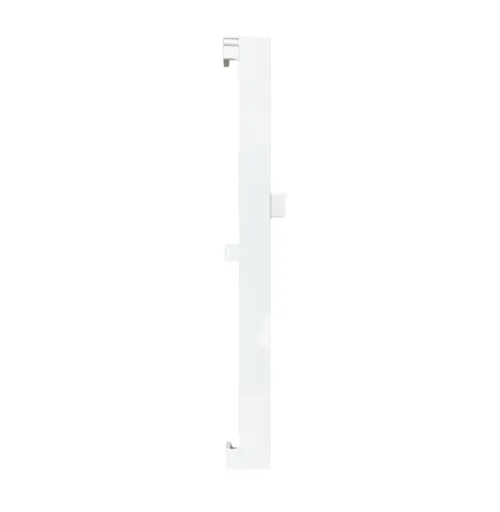 Air-Box® Trickle Vent - White
£12.49 + VAT
Air-Box® Trickle Vent - White
£12.49 + VAT -
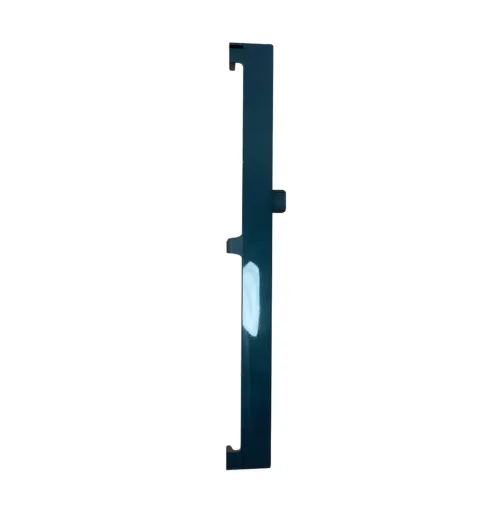 Air-Box® Trickle Vent - Anthracite
£12.49 + VAT
Air-Box® Trickle Vent - Anthracite
£12.49 + VAT -
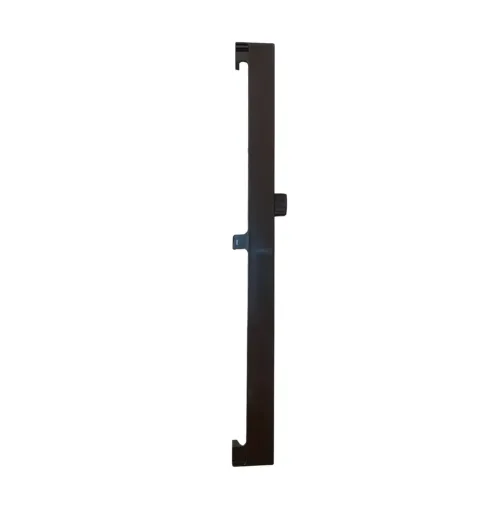 Air-Box® Trickle Vent - Brown
£12.49 + VAT
Air-Box® Trickle Vent - Brown
£12.49 + VAT