
Reducing Allergens with Effective Ventilation
Published on: December 11, 2025

If you have any allergies, or other respiratory issues, you need to ensure that your home and place of work is well-ventilated. Without a constant stream of fresh air filtering through, allergens have nowhere to go other than the lungs, putting you or vulnerable loved ones at risk.
Our Air Box ventilation solutions will improve the airflow within each room straight away, with easy installation and affordable prices across our site. But before we explain why you should choose us to help you improve ventilation, let’s first talk about how poor air quality affects people with allergies.
The Main Types of Airborne Allergens
Ensuring that your home or commercial building is well-ventilated prevents a lot of issues, including mould, high humidity, and, most importantly, a buildup of allergens. A large percentage of allergic reactions are caused by certain particles in the air, which travel into our noses or throats, and down into our lungs.
There are a number of airborne allergens that you should be aware of. The most common are:
- Dust Particles – These are a common cause of hay fever symptoms, sneezing fits, and sore throats. Cleaning helps to prevent a buildup of dust, but if the air isn’t moving, the particles have nowhere to go.
- Pet Dander – This includes pet hair, which many people are allergic to. Even if you do not have a pet in your home, dander can be carried on clothes, skin, or travel through open windows.
- Pollen – The most common cause of hay fever, setting off a range of symptoms. Although more of an issue outside, these tiny particles can make their way through windows or cling to your clothing and skin.
- Mould and Fungal Spores – These can be very harmful for some people, which is why new guidelines were recently introduced to ensure landlords address black mould as soon as possible in order to ensure the safety and wellbeing of their tenants.
Even if you yourself aren’t at risk from any of these allergens, letting them run rampant can put other people in danger. This is especially important if you own/work in a commercial building, which often have poor ventilation even if they are kept clean. To keep staff and visitors safe, you need to check that allergens are being dispersed properly.
Why Ventilation is Important for Reducing Allergens
When air isn’t moving, all the particles that can cause an allergic reaction have nowhere to go, and settle on surfaces instead of flowing outside again. A room that is well-ventilated has constant airflow, meaning the air is moving. But just switching on a fan isn’t enough, you need new air to come in from outside.
Opening a window allows a lot of fresh air to enter the space. This will mix with the stale air, reducing the humidity and diluting it. Allergens that were trapped can now flow outside, or at least will be less harmful after being mixed with fresher air.
However, opening a window isn’t always ideal. During winter, you’d prefer to keep them closed to preserve heat, or your energy bills will skyrocket. In summer, allergens such as pollen are out in force, so you might need to keep your windows shut tight to keep them out. And it isn’t just your home where this is an issue.
In commercial buildings such as schools and offices, the rooms aren’t in use for holiday periods and weekends, meaning that the airflow halts and issues can start to form unnoticed.
No matter where the ventilation is poor, there will be times when you can’t open a window. When this is the case, it’s time for your trickle vents to shine.
Using Trickle Vents to Prevent Allergens
Opening your trickle vents ensures that the room will be well-ventilated, without increasing heating bills or letting an excess of allergens in. While open windows are the best way to allow fresh air in, they also do nothing to prevent allergens from flowing freely. Thanks to their small size and filters, allergens are less likely to travel along the thing streams of airflow trickle vents allow in, keeping the air fresh without setting off any reactions.
However, trickle vents alone may not be enough. Don’t worry, we’re here to help.
Our Air Box solutions are the perfect addition to your trickle vents. They attach to your windows with no drilling necessary; it takes around 5-10 minutes with only a screwdriver and our video guide.
With these working alongside your trickle vents, you’ll improve the ventilation drastically, but without a nasty draught. Unlike traditional trickle vents, our Air Box solution aims its airflow upwards, so it passes above your head unnoticed. This also allows the air to travel further, ensuring proper ventilation through any sized space.
If you’re concerned about airborne particles setting off allergies, either in your home or commercial building, installing an Air Box will help to make the space safer. Feel free to get in touch with us if you have any questions, we look forward to hearing from you.
Popular products
-
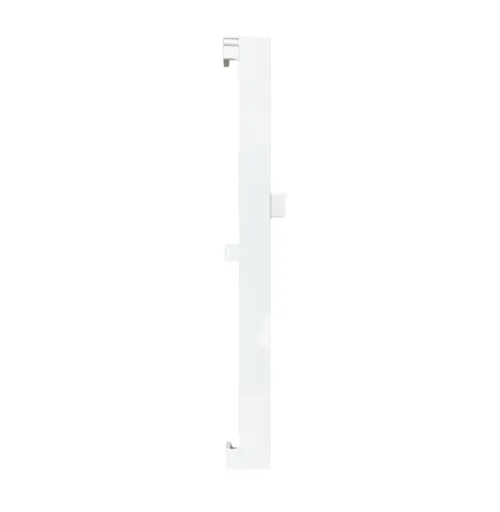 Air-Box® Trickle Vent - White
£12.49 + VAT
Air-Box® Trickle Vent - White
£12.49 + VAT -
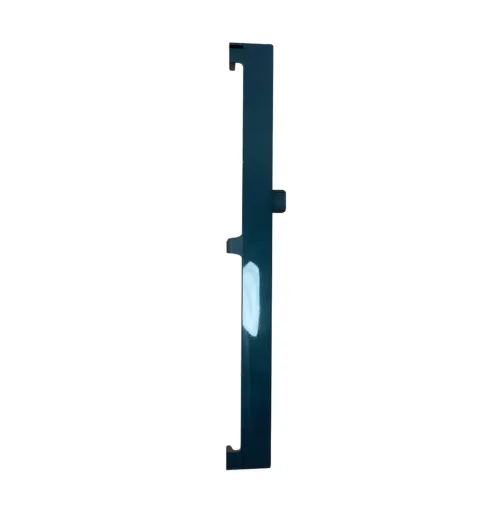 Air-Box® Trickle Vent - Anthracite
£12.49 + VAT
Air-Box® Trickle Vent - Anthracite
£12.49 + VAT -
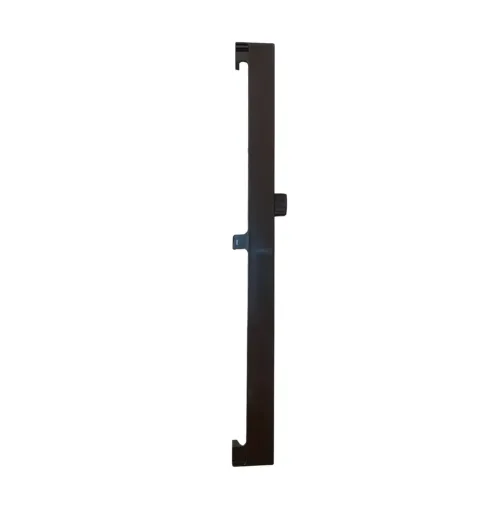 Air-Box® Trickle Vent - Brown
£12.49 + VAT
Air-Box® Trickle Vent - Brown
£12.49 + VAT