
Why Directional Airflow is so Important
Published on: December 1, 2025
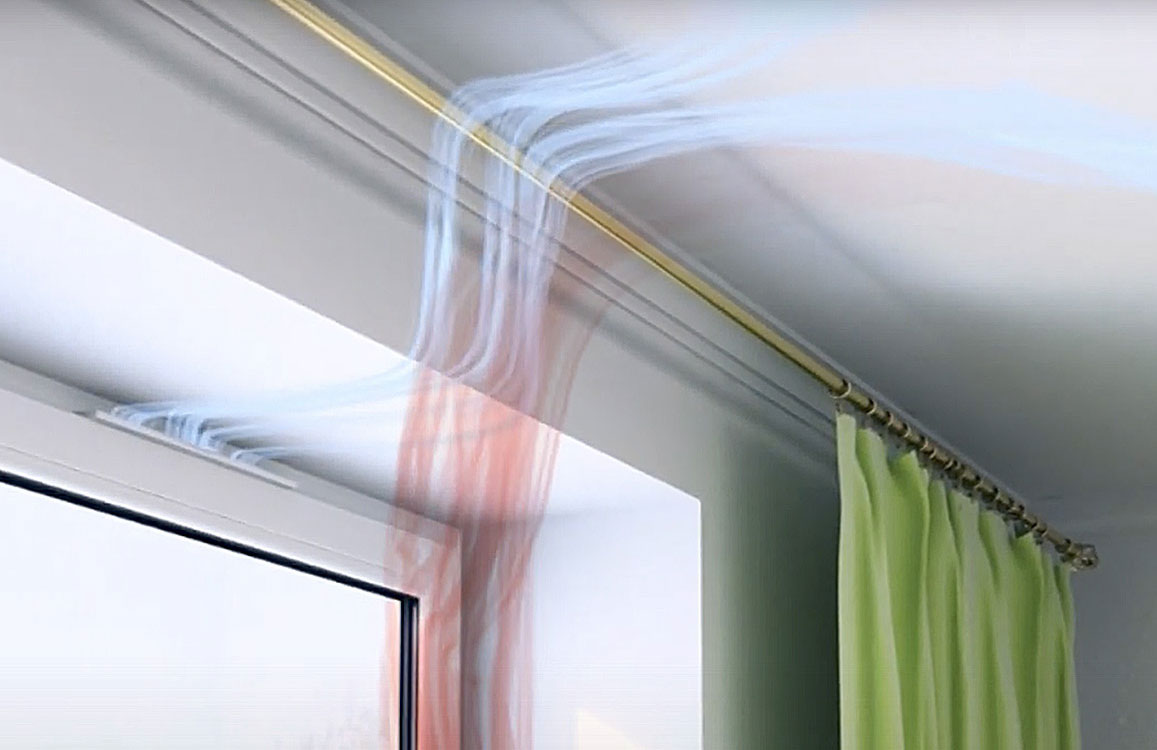
Improving the ventilation within a home or commercial building makes the air inside smell fresher, and also reduces the likelihood of issues like mould and damp.
Trickle vents enable fresh air to enter the room even when windows are closed, so that it doesn’t become stale. However, some trickle vents are less effective because of their design, and might fail to do their job.
Today we’re going to explain why directional airflow is crucial for the effectiveness of trickle vents, and outline why our ergonomic design works best.
But first, the basics.
What is Directional Airflow?
Directional airflow is, as the name suggests, the direction in which air flows. In most cases, air moves slowly, or can be completely still if the room’s ventilation is poor and there are no outside factors such as people, or the opening of doors and windows.
When air enters through a trickle vent, it has to travel from the wide open outside through narrow gaps. Depending on the design of your trickle vents, it will be channelled in a specific direction.
Most standard trickle vents aim the air downwards, pointing towards the window from the top of the frame. This means that the air enters forward, hits the edge of the trickle vent’s shell, and then flows downwards and into the room. Because of this, you don’t have just a set of holes in your window frame, which can allow too much cold air in and make it tricky to manage the temperature inside. You don’t see many forward-facing trickle vents for this exact reason, and the change of direction within the ventilation system reduces any annoying draughts.
Why Ventilation is Important
If you close all the windows, doors, and trickle vents in a room, the air will start to smell stale after a few hours. This is especially true in rooms with UPVC windows, which are much more tightly sealed than wooden or metal windows, which always allowed some air to sneak in around the frame.
The air becomes stale because it has nowhere to go. In warm weather it will also be thick with moisture, meaning humid, which is the cause of a lot of issues. As the room cools, the moisture is deposited on surfaces such as the walls, floors, and furnishings. If this is happening on a nightly basis, the surfaces will stay damp, or the moisture will start to damage them. This also creates the perfect environment for mould to start growing.
Some people are confused when they find damp patches or mould but there isn’t a leak. This is often the result of poor ventilation, and the issues will only get worse before they’re addressed properly.
Simply improving ventilation does a lot. When new air enters the space, it dilutes the stale air to make it fresher. This air is also nice and dry, so that the room isn’t as humid overall. High humidity is often a seasonal issue, easily addressed by installing a dehumidifier, or ensuring that trickle vents are left open overnight.
However, in larger rooms, trickle vents alone aren’t enough.
Improving Ventilation in Commercial Buildings
The larger the room, the harder it is to improve the airflow. Therefore commercial buildings such as schools and offices might suffer from ventilation-related issues despite the larger windows and trickle vents. If the fresh air can’t reach all the way to the far walls, or takes too long to do so, you’re at risk of mould and other issues.
This is all because of the directional airflow. When the fresh air is being aimed downwards, it doesn’t travel as far into the room. If you stay close to the window, you’ll also feel a draught – not ideal if you’re trying to watch your energy bills this year!
What’s even more costly is having to shutdown your building while you deal with mould and damp. But thankfully, you don’t have to spend a fortune to prevent this.
Trickle Vents with Improved Airflow
While we’re very proud of our Air Box trickle vents, to everyone else they don’t look particularly special. They’re narrower than most built-in trickle vents, and don’t look like the innovative new design we claim. But once you understand directional airflow, you start to see the cleverness.
Our Air Box solutions attach onto the top of your window frames with no drilling or damage necessary. It’s such a simple process it can be done yourself, and you won’t have to put hours aside to do it.
Once fitted, they immediately start bringing in fresh air from outside. However, unlike the normal trickle vents you see on UPVC windows, they aim the air upwards instead of downwards. But why? Well, this allows for the air to travel further into the room, dissipating in a wider area to dilute the stale air.
It’s a simple difference but it really does work. And as an added bonus, there are fewer draughts as the cold air passes overhead, warming up by the time it reaches you. If you’re trying to keep your rooms well-ventilated, but also warm over winter, Air Box has the perfect solution.
This isn’t to say that regular trickle vents don’t work, far from it. Don’t rip them out just yet – our Air Boxes are at their best when paired up with built-in trickle vents, providing additional airflow that prevents any of the issues we’ve discussed.
If you’re concerned about the air quality in your home or commercial building, we’re here to help.
Directional Airflow FAQ’s
Popular products
-
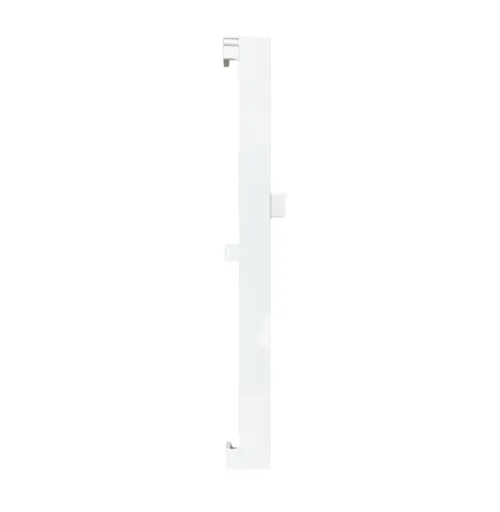 Air-Box® Trickle Vent - White
£12.49 + VAT
Air-Box® Trickle Vent - White
£12.49 + VAT -
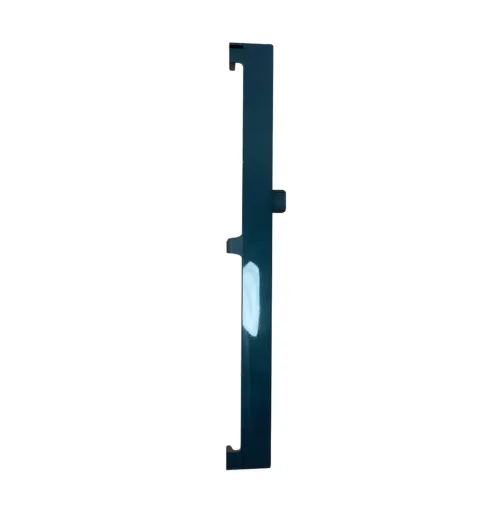 Air-Box® Trickle Vent - Anthracite
£12.49 + VAT
Air-Box® Trickle Vent - Anthracite
£12.49 + VAT -
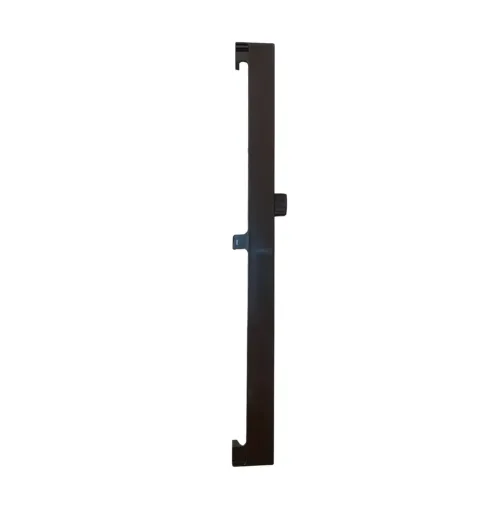 Air-Box® Trickle Vent - Brown
£12.49 + VAT
Air-Box® Trickle Vent - Brown
£12.49 + VAT