
Why Older Buildings Didn’t Need Trickle Vents – A History of Ventilation in Homes
Published on: April 14, 2026
For a few years now, trickle vents have been a requirement for all new windows in the UK. This is for a good reason; they improve air quality within our homes and help to prevent issues like mould or a build-up of airborne allergens.
But although they’re one of those inventions that revolutionised our homes, they have always blended into the background, doing their job in relative silence while we reap the benefits.
So to give them some well-deserved time in the spotlight, today we’re going to talk about the history of trickle vents, and why they became a mainstay in new buildings.
When were Trickle Vents First Introduced?
Trickle vents, in one form or another, have existed in the UK since the 1960s, although these early ventilation systems were much bulkier than the slim models we see today.
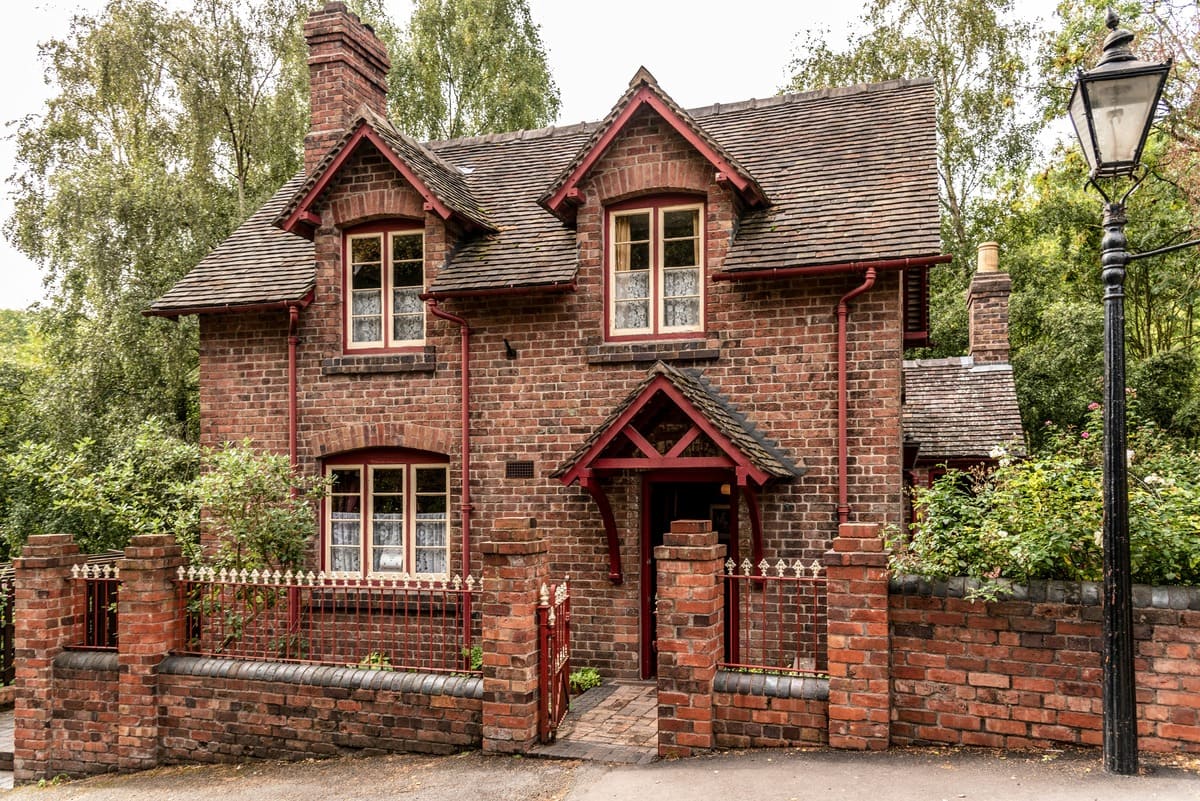
They really took off in the 1990s, as UPVC windows became the norm for new builds, and any older buildings that needed their windows upgrading. Unlike the older wood or metal window frames, UPVC was tougher, easier to work with, and cheaper, so it was a no-brainer that we started using it, and wooden window frames were saved for more stylish homes.
However, this switch to UPVC did create an issue.
Why UPVC Windows offer Poor Ventilation
UPVC windows are fantastic at keeping the heat in. This is because they fit perfectly within our walls, preventing any draughts from creeping in. Wooden windows often had minute gaps, sometimes invisible to the eye, but large enough for warmth to leave and cold air to enter.
Despite the annoying draughts, this accidental ventilation was great for our homes. it prevented the air from becoming too humid – air that is thick with moisture leads to mould growth and damp patches that ruin our carpets, walls, and furnishings.
Back in the days of roaring fires to get us through the winter, it also let the smoky air dissipate, keeping us healthy but still comfortable. And because smoking was more popular, it helped with that too.
What doesn’t help to clear a smoky or humid room is a UPVC window. They fit so tightly that no air can enter or escape when the windows are closed. That’s where trickle vents come in.
Why Trickle Vents need to be Fitted to UPVC Windows
UPVC windows are effective to a fault. The lack of natural ventilation means you need to open the window or your trickle vents in order to let fresh air in.
In cold or wet weather, you’d prefer to keep your windows closed, and keep the heat in as a result. But this can affect people with respiratory issues and allergens or mean that mould can be growing overnight.
As the room cools, the moisture in humid air is deposited onto our surfaces. Think of it like morning dew, only inside your home. If this happens night after night, carpets and upholstery will stay damp – the perfect conditions for mould to grow.
Patches of mould won’t appear right in front of you either. It first starts to grow out of sight, in the dark, damp areas behind large furniture pieces or up in your attic. By the time you start to notice it appearing, it could be all over your home and will need to be addressed ASAP.
Thankfully, trickle vents do a lot to prevent this. By leaving them open, you get fresh, clean air entering your home, without losing a tonne of heat out of the window. They are most useful when you’re away, as you can’t leave windows even on the latch for security reasons. But with trickle vents open, the rooms stay fresh ready for when you get back.
Giving Trickle Vents a Helping Hand
As great as they are, trickle vents have their limits. Due to their small size, the amount of air they let in is minimal, not doing enough in larger rooms. They can also be blocked by curtains and blinds, keeping the fresh air contained while it gets stale everywhere else.
If you’re having ventilation issues in your home, and your built-in trickle vents aren’t pulling their weight, we’re here to help.
Our Air Box ventilation solution is designed to enhance ventilation within your home. When paired with your trickle vents, you double the amount of air coming in, without any of the usual drawbacks. Because the Air Box channels air upwards, it can spread further into the room, but you won’t notice a draught. Many of our customers have chosen to use their Air Box instead of opening trickle vents for this very reason!
Installation is quick and simple, with no drilling necessary. Once it has been screwed into place, it’ll start working straight away, and you’ll quickly see the benefits.
A Modern Solution for Ventilation
The history of trickle vents is a simple one, and they’re just as important as ever. But with UPVC windows being so prevalent, it’s important that you ensure that you ventilate your home properly.
If you have any questions about our Air Box solution or the design process behind it, please don’t hesitate to contact us. We look forward to hearing from you!
Frequently Asked Questions
Popular products
-
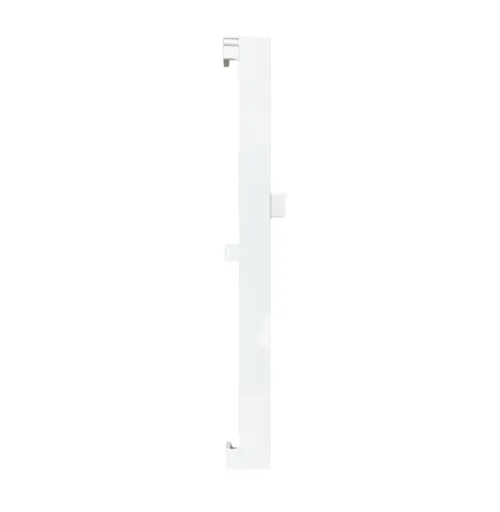 Air-Box® Trickle Vent - White
£12.49 + VAT
Air-Box® Trickle Vent - White
£12.49 + VAT -
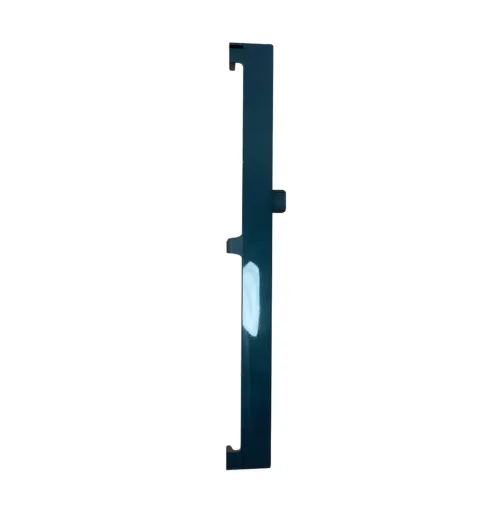 Air-Box® Trickle Vent - Anthracite
£12.49 + VAT
Air-Box® Trickle Vent - Anthracite
£12.49 + VAT -
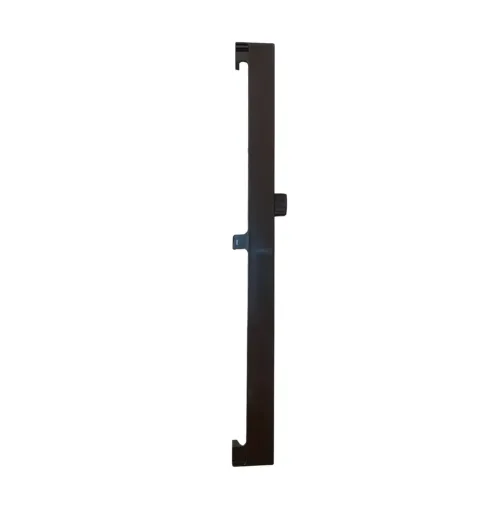 Air-Box® Trickle Vent - Brown
£12.49 + VAT
Air-Box® Trickle Vent - Brown
£12.49 + VAT